Incentivising Greener and More Resilient Financial Activity
By Dr. Waseem Hoenini
Oct 22, 2025
Articles
ESG & SUSTAINABILITY
As global climate risks intensify, financial institutions are no longer observers of the transition — they are architects of it. Building a climate-smart balance sheet is not only about managing exposure; it is about unlocking performance, resilience, and long-term value creation.
Dr. Waseem Hoeneini, Managing Partner at WMSJ, outlines a structured pathway to institutionalize resilient finance through policy alignment, market-driven incentives, and innovative financial instruments.
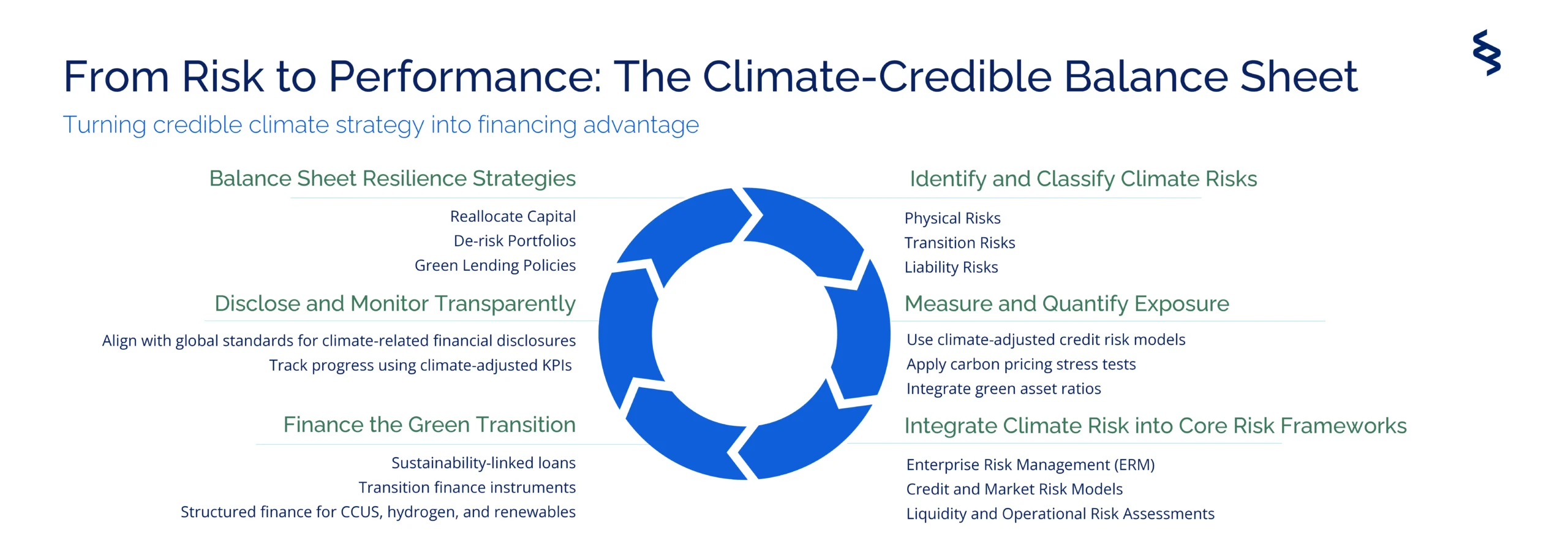
From Risk to Performance: The Climate-Credible Balance Sheet
Climate strategy must evolve from compliance to competitive advantage.
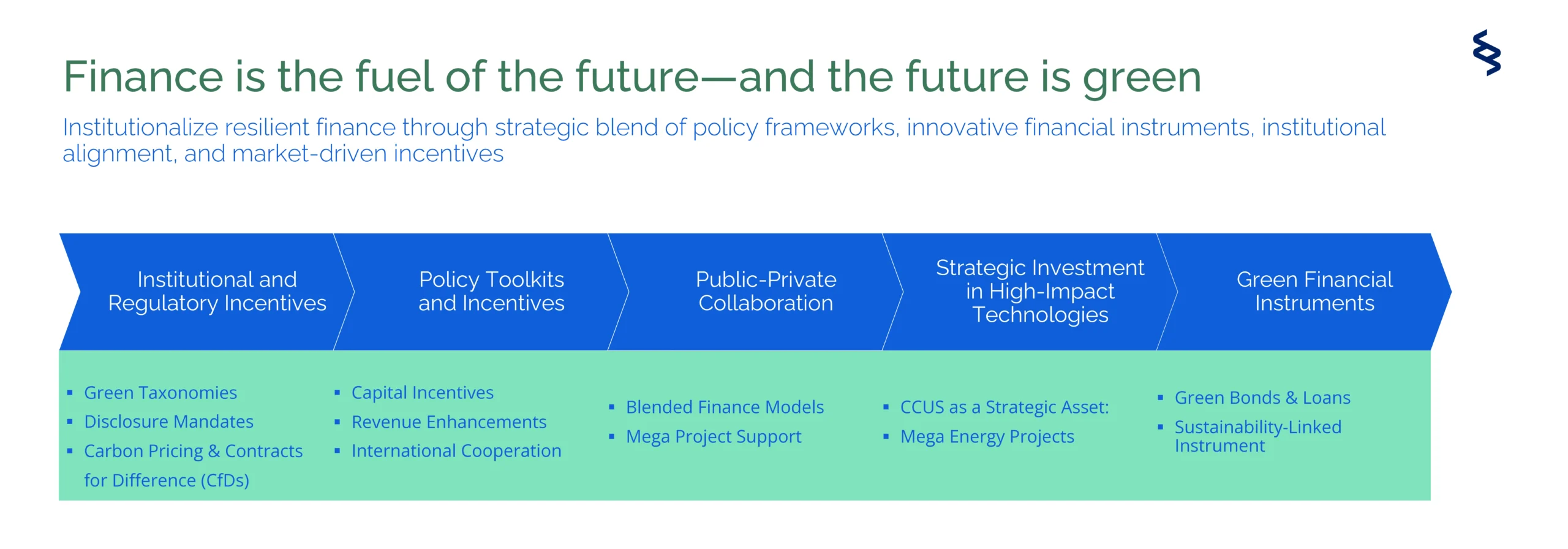
Strategic Levers for Institutionalizing Green Finance
Creating systemic impact requires coordinated action across all pillars:
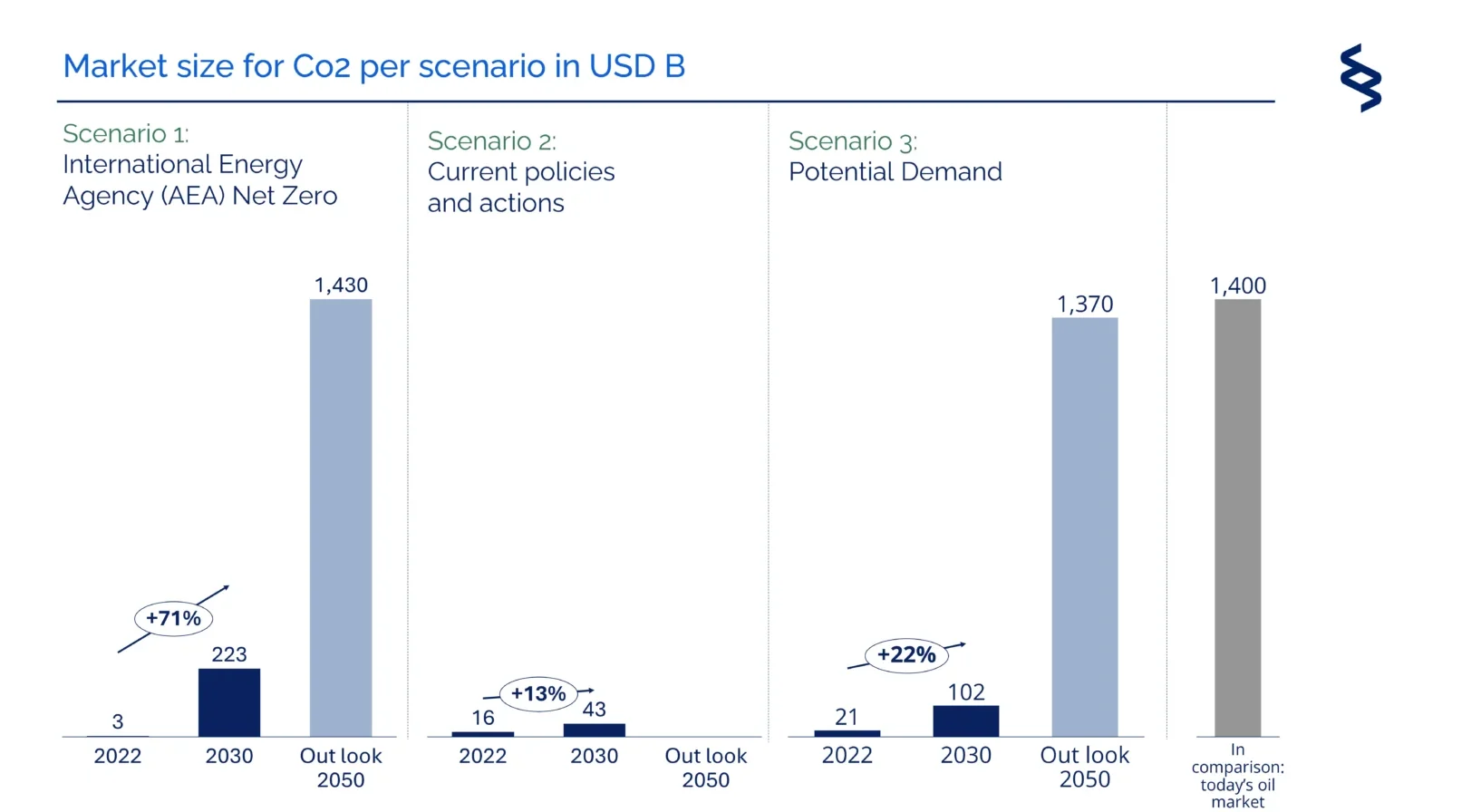
Carbon In, Value Out: Monetizing CO₂
Carbon is no longer just a liability — it is becoming an asset class.
CO₂ monetization is accelerating through:
Utilization technologies
Storage credits
Offtake markets
Voluntary and compliance carbon markets
Market scenarios indicate substantial growth potential by 2030 and 2050, approaching scales comparable to today’s oil markets under ambitious net-zero pathways.
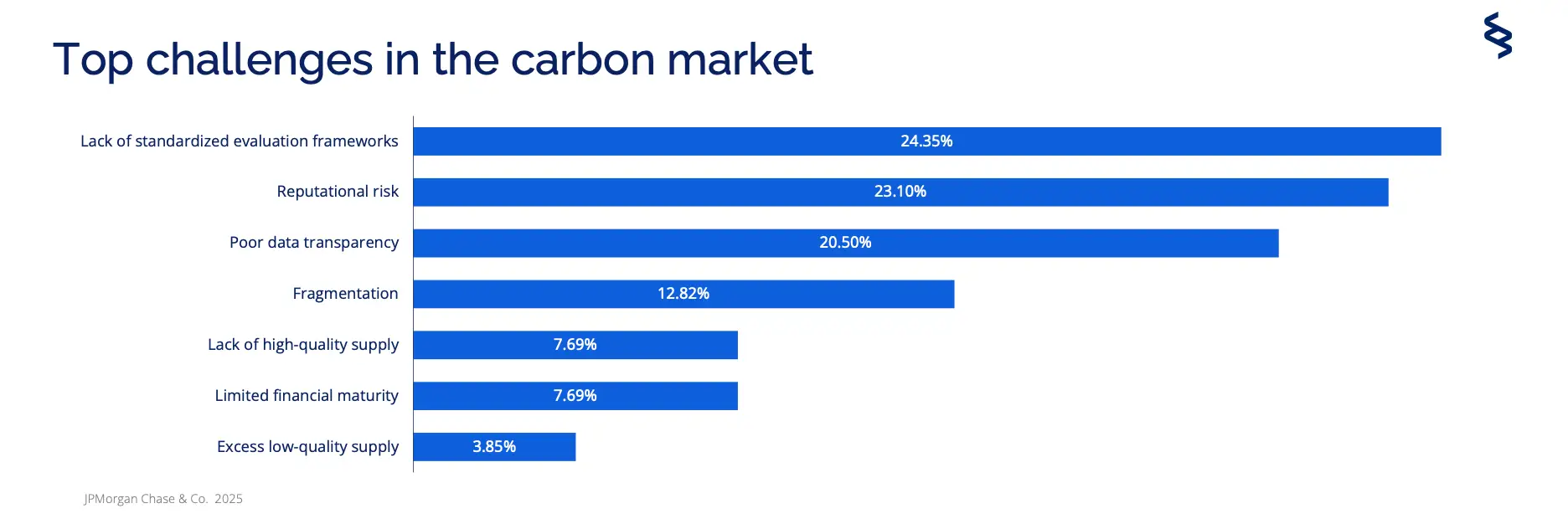
However, structural challenges remain:
Lack of standardized evaluation frameworks
Reputational risk
Poor data transparency
Fragmentation
Supply quality inconsistencies
Addressing these bottlenecks will determine whether carbon markets reach maturity.
The Sustainable Bond Market: Scaling Climate Capital
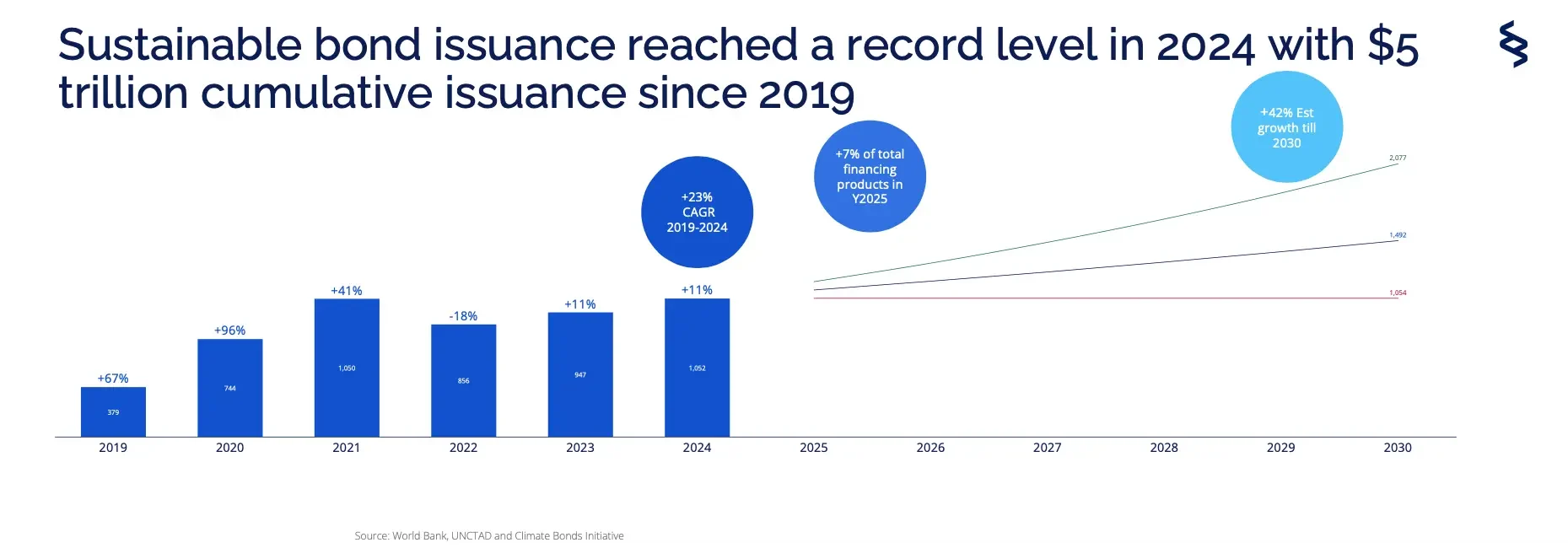
Sustainable bond issuance reached record levels in 2024, with cumulative issuance exceeding $5 trillion since 2019.
Key trends:
23% CAGR between 2019–2024
Estimated 42% growth toward 2030
Sustainable finance products expected to represent ~7% of total financing by 2025
Green Bonds Lead the Market
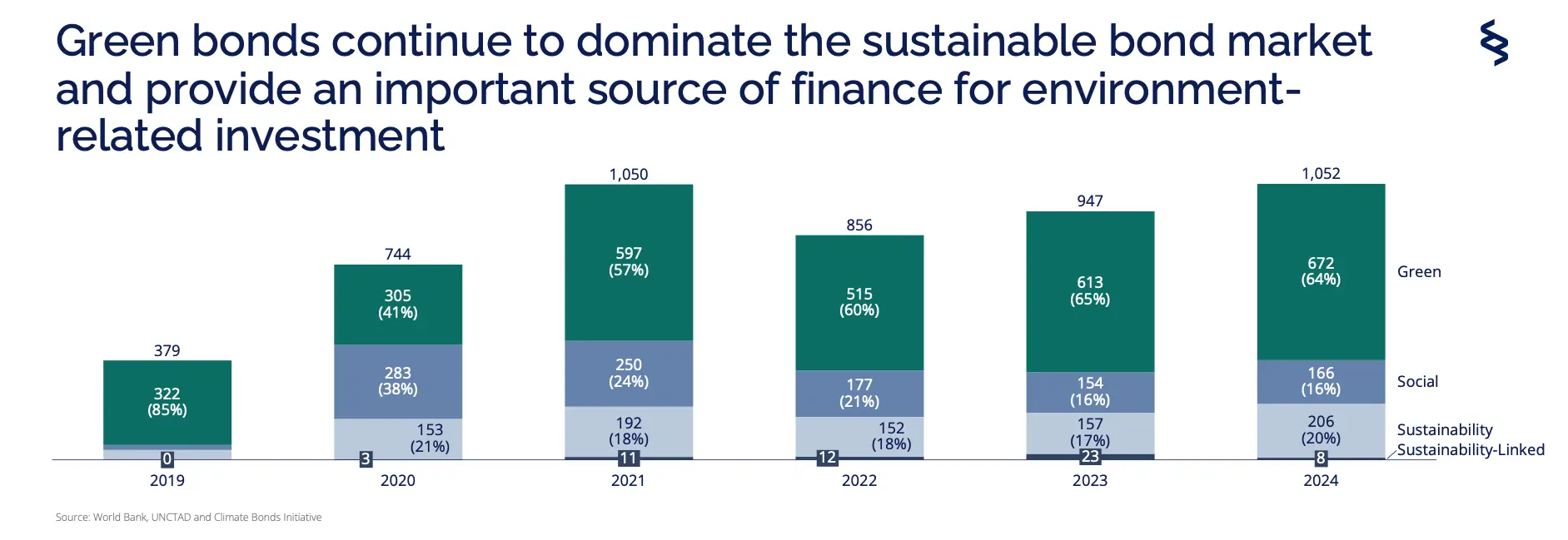
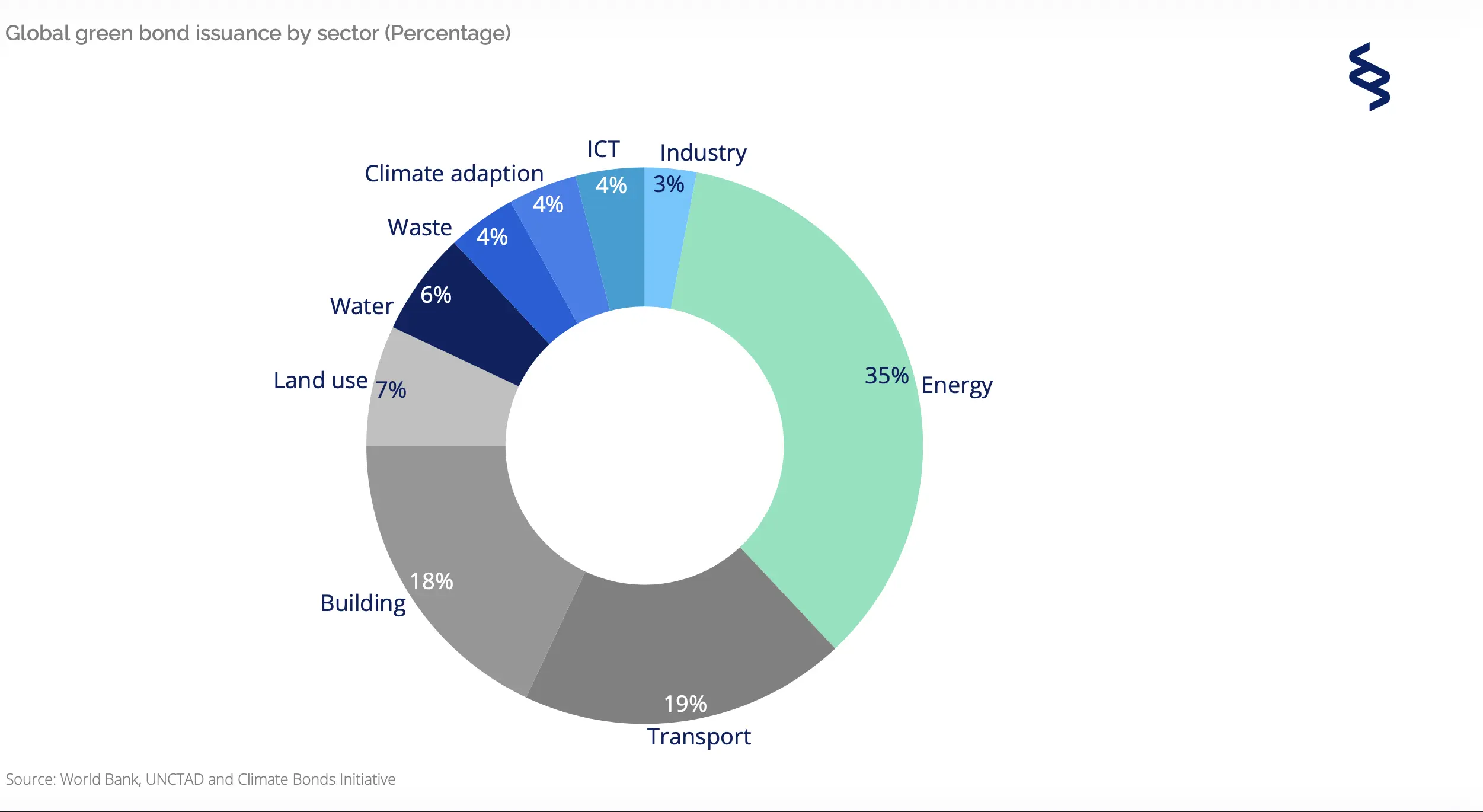
Green bonds continue to dominate sustainable issuance, primarily financing:
Renewable energy
Energy infrastructure
Transport electrification
Buildings and efficiency projects
The energy sector remains the largest beneficiary of green bond capital allocation.
Carbon Pricing & Policy Momentum
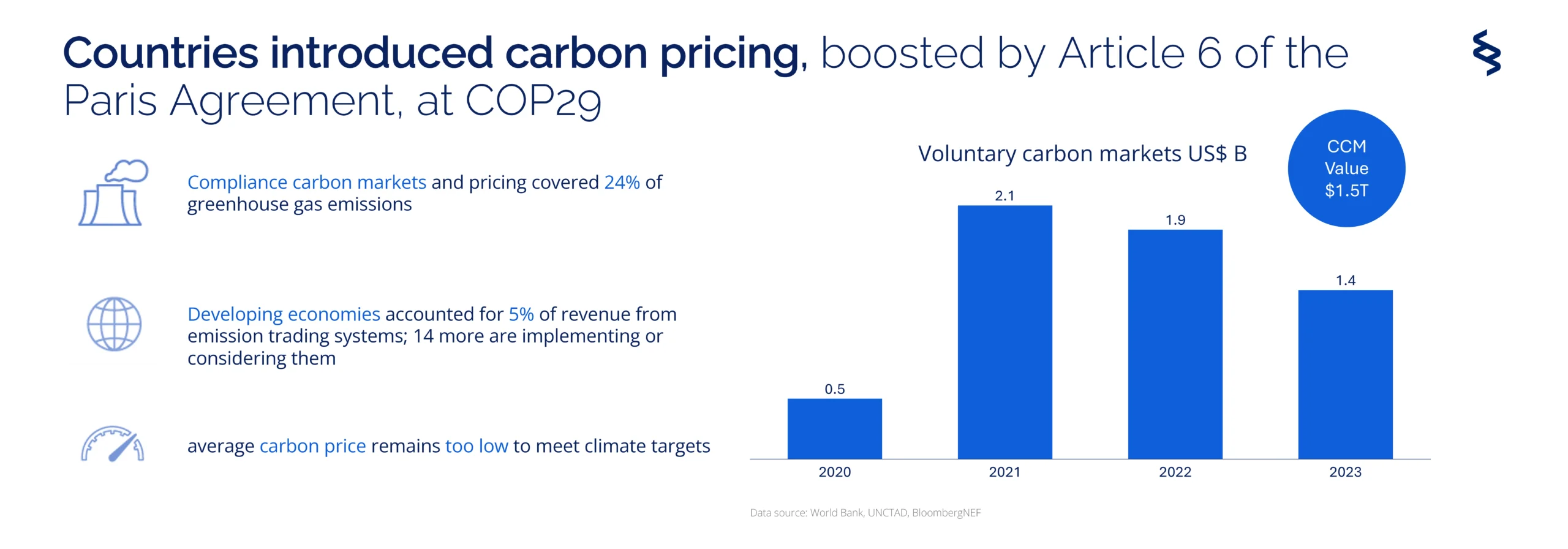
Carbon pricing mechanisms now cover approximately 24% of global greenhouse gas emissions.
Recent COP developments and Article 6 mechanisms under the Paris Agreement have accelerated policy adoption. Yet, the average global carbon price remains below the level required to meet climate targets.
Policy trends show strong momentum in:
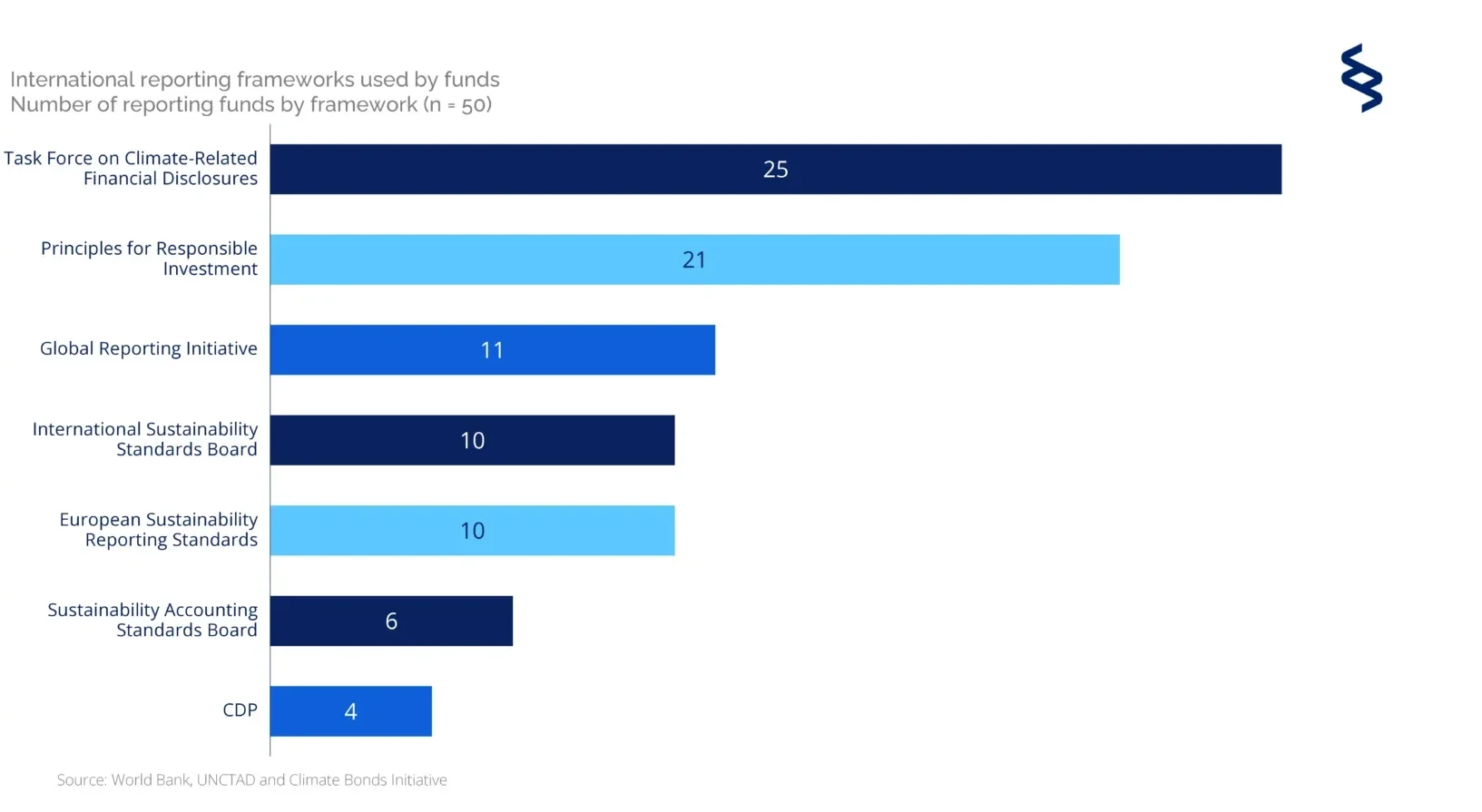
Sustainability disclosure frameworks
National climate strategies
Taxonomy development
Financial reporting standards
The Strategic Imperative
The green transition is not a side agenda for finance — it is its defining transformation.
Creating a climate-smart balance sheet enables institutions to:
Protect long-term shareholder value
Unlock new asset classes
Enhance resilience
Lead the transition economy
As articulated by Dr. Waseem Hoeneini, the path forward lies in institutionalizing resilient finance through strategic innovation for sustainable impact.
The future of finance is not only net-zero aligned — it is performance-driven, data-informed, and structurally green.
Latest from WMSJ
The Amman Stock Exchange Holds Two Training Workshops on Sustainability
11 Jan, 2026
Global Solar Growth Set to Slow for the First Time in Two Decades
22 Jan, 2026
WMSJ Global Delivers “Impact 360™” Training on Sustainability Disclosure in Alignment with GRI and IFRS Standards